Chosen by the Fire

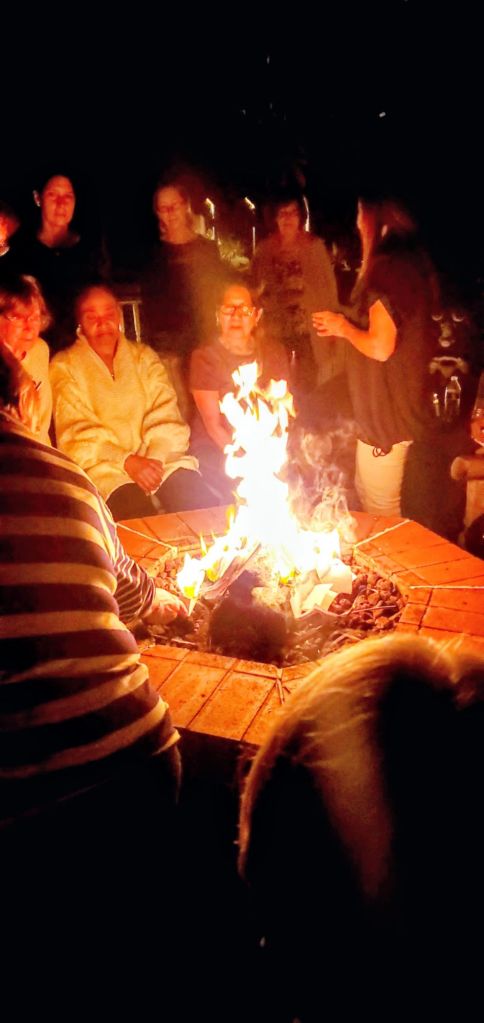
Sometimes you hear things, you see things, and you wonder why pain isn’t distributed equally. Why are you the one going through the burden but others aren’t. What makes you so special that you were chosen. Why some hearts seem to carry mountains while others walk on level ground. Why storms flood certain lives again and again, while others feel only a passing rain. Why lives never seem to walk a straight line but always in circles. You question yourself, your will mercilessly. It can feel unfair. It can feel lonely. It can feel endless. It drains you. It is tiresome.

But pain is not the end of the story—it is the quiet sculptor of character, the unseen teacher of the soul, the painter in the shadows. It grows compassion in places where judgment once lived, and plants seeds of patience in hearts that once demanded control. It softens the rigidity of pride, illuminates struggles we cannot see, and transforms sorrow into profound wisdom. It can be a bit confusing but pain teaches humility, grace, empathy—not as a burden, but as a gift earned—allowing us to meet others not with criticism, but with understanding; not with indifference, but with gentle, unwavering care.

It awakens courage where fear once reigned, and forges resilience where doubt once whispered. It turns moments of brokenness into pillars of strength, and wounds into bridges—connecting hearts, inspiring hope, and proving that what once hurt us can one day heal others. It transforms us. It illuminates us; faith.

Even when life feels uneven, grace is still at work in the shadows of the wounded tree. What feels heavy today may become the very thing that allows your spirit to soar tomorrow. Every struggle carries a seed of greatness; a glass of gratitude, every tear contains a river of understanding; a bucket full. And every heart that endures has the power to inspire, uplift, and transform the world—one gentle act of love at a time, if we open our hearts and allow ourselves in.

So hold on. Keep rising. Keep believing. Don’t lose faith. Your story is still unfolding, the script is still being written, masterfully crafted by apostolic hands and your wounds are only shaping the bravery that will bloom through you, just like a flower.

A Private Winter

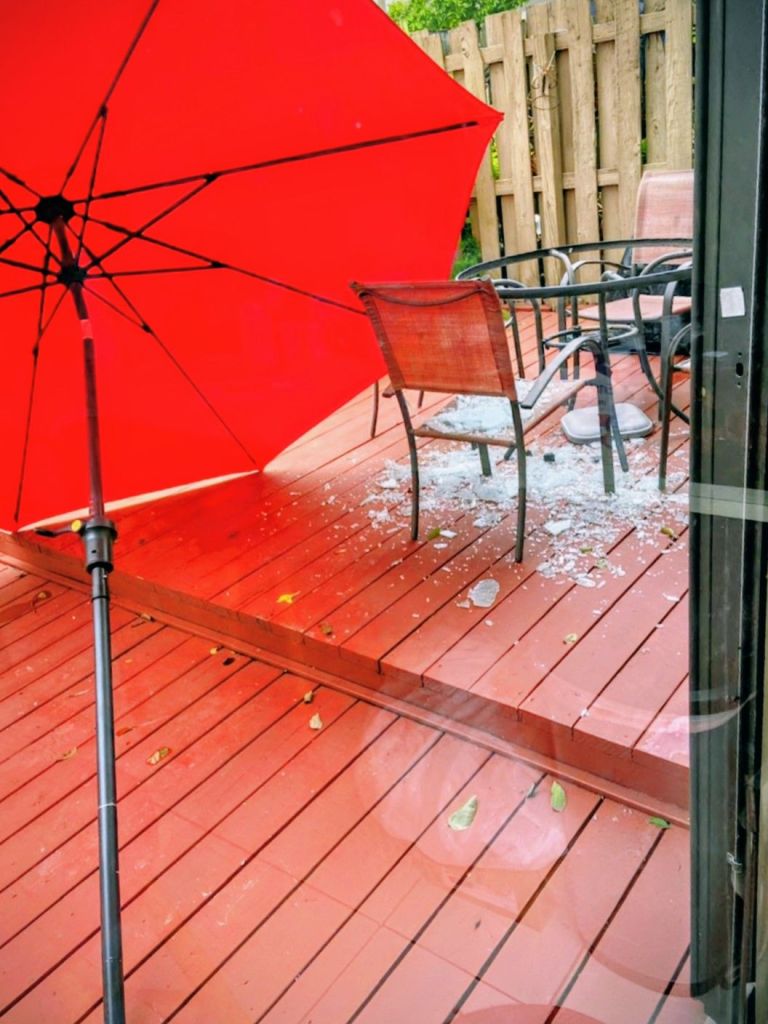
Suffering is an emblem of learning, a quiet recital of lessons earned. It is an omen of what is yet to come—a corridor lined with designer scars not yet seen, stitched together by faith. To have faith, you must trust. And to trust, you must accept whatever ride you’re on—the wounds, the scars, the ribbons of pain that slip in whether the doors are open or closed, leaving their marks behind.
You must learn to value your scars, assign them a worth, rather than dwell on their constant intrusion. Keep moving forward. Stop worrying. Let it go. Run wild. Let out your loudest roller-coaster scream. Breathe.
Find the root of the wound. With your best scissors in hand, cut it clean—then sew it back together. Yes, easier said than done. I know. But you are shaping blessings. Tomorrow, you will be healed. One day, you’ll tell the story—how you overcame it all, how the Man Upstairs had a hand in it.
Life lessons.

Chansing Joy

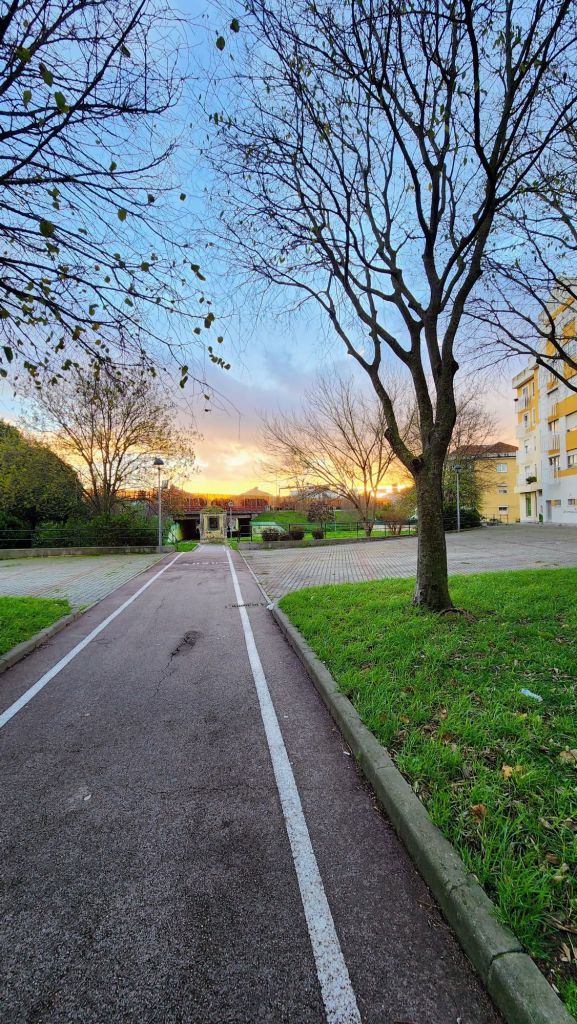
Every morning, she laced her shoes before the sun rose. Not because she loved running—she didn’t—but because she believed joy was something you caught only if you chased it hard enough. She ran through quiet streets, past shuttered cafes and sleepy trees, through graveyards of dead flowers, her breath fogging the air. In her mind, joy was always ahead of her, just out of reach, daring her to try harder.
She had learned this belief early. Work harder. Be better. Don’t stop. If you build it they will come. Joy, she was told, was the reward waiting at the finish line.
But the finish line kept moving, crossing the streets at moments notice, unchecked.
One morning, halfway through her usual route, her foot caught on a cracked sidewalk. She stumbled and fell, scraping her hands and tearing her favorite leggings. The run was over. Frustrated and embarrassed, she sat on the curb, fighting tears. The sun was fully up now, spilling gold across the street.
That’s when she noticed the music. She heard that delicious tune piercing through.
An old man across the road was sweeping his storefront, humming softly—off-key, unapologetic, completely absorbed without a care. A little girl skipped past him, pausing to spin in a circle just because she could. A breeze lifted the leaves, and for a moment the whole street seemed to sigh, like a quiet star cresting the mountains.
She realized something strange: none of them were chasing anything.
They were here. There.
She walked home slowly that day. She noticed the warmth of her coffee mug, the comfort of her shower, the way her muscles relaxed once she stopped pushing them, chilled and breathe. The world hadn’t changed—but her attention had. She has become more aware of her surroundings, her existence.
Over the next weeks, she still worked hard. She still dreamed. But she stopped sprinting through her days as if happiness were late and she had to catch it. She let herself rest, took it all in. She laughed without earning it. She danced in her kitchen while dinner burned a little. She sang her lungs out to the moon and back. She chatted softly to the plants soaking up the sunset.
And joy?
It didn’t run anymore; why would it?
It met her in quiet mornings.
It sat beside her in moments of gratitude, in the silence of prayers.
It showed up when she wasn’t looking—soft, steady, and real, it sang her lullabies, told her stories.
She learned that joy isn’t something you chase down and conquer. It isn’t a vibe or a chore.
Joy is something you notice when you finally stop running long enough to let it catch you. It is gratitude without effort, the felling of being alive in a way that feels meaningful. Joy is the quiet light that rises within you.